
zylenovapuls Logo
Questions? +61 405 242 940

zylenovapuls

Strategic Planning Financial Modeling Budget Forecasting Risk Analysis

Practical Advice That Actually Works

Most business planning guidance sounds good in theory but falls apart when you're sitting at your desk at 11pm trying to make sense of cash flow projections. We've spent years watching what actually helps people build sustainable businesses versus what just looks impressive in slide decks.

Business planning workspace showing financial documents and strategic analysis materials

Finding Your Starting Point

The hardest part isn't learning planning techniques. It's figuring out which approach fits your actual situation right now, not some idealized version of where you think you should be.

Just Starting Out?

Focus on assumptions testing rather than elaborate forecasts. You need to validate your basic business model before worrying about five-year projections. Most early-stage plans should fit on two pages and get revised monthly as you learn.

Already Trading But Stuck?

Look at your numbers from the past six months. What patterns do you notice? Sometimes the issue isn't your plan but how you're tracking against it. We often find businesses have solid strategies but inconsistent execution and monitoring.

Ready to Scale Up?

This is where detailed financial modeling becomes worthwhile. You need scenario planning that accounts for growth costs, cash timing issues, and operational complexity. Most businesses underestimate how much working capital expansion requires.

Seeking Investment?

Investors want to see you understand your unit economics and can articulate your assumptions clearly. They're not impressed by optimistic hockey-stick graphs. Show them you've thought through what could go wrong and how you'd respond.

What Our Participants Tell Us

We surveyed 240 business owners who completed our planning workshops between March 2024 and February 2025. These numbers represent their self-reported experiences three to eight months after finishing the course.

74% Improved cash visibility
3.2hrs Average weekly time saved
68% Felt more confident
12wks Typical engagement period
Participant profile sharing their learning experience

Callum Dreyfus

Retail Operations, Brisbane

The forecasting templates helped me spot a seasonal cash crunch before it happened. I was able to arrange a credit line in advance rather than scrambling when invoices piled up. That alone made the course worthwhile.
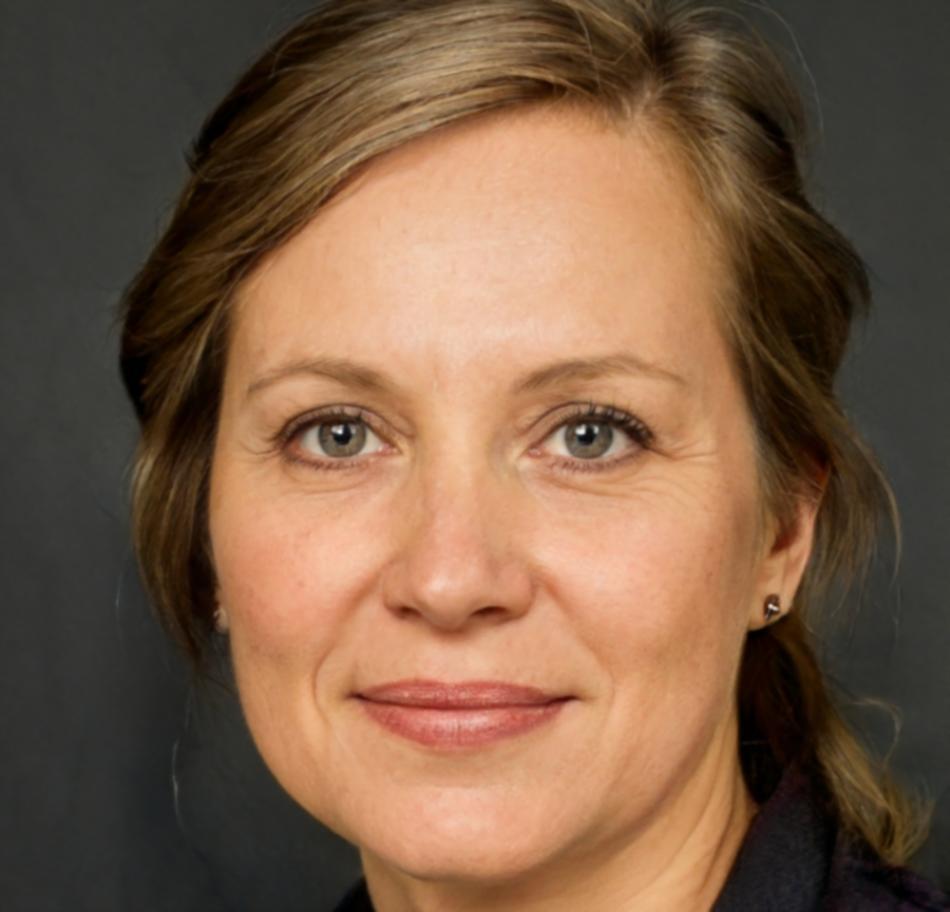
Course participant discussing practical application of business planning methods

Sienna Tomasson

Professional Services, Melbourne

I thought I needed complex financial software. Turns out I just needed better processes for reviewing my numbers weekly. The practical exercises showed me what to actually pay attention to versus what's just noise.

Strategic business planning session with detailed financial analysis and goal setting

Realistic Timelines for Different Goals

People always ask how long it takes to see results. That depends entirely on what you're trying to achieve and where you're starting from. Here's what we've observed across hundreds of participants.

Weeks 1-4: Foundation Building

Getting your basic systems organized and starting to track consistently. Most people report feeling overwhelmed during week two, then things click around week three. You'll have a clearer picture of your current state by end of month one.

Months 2-3: Pattern Recognition

This is when you start seeing trends in your data that weren't obvious before. Many participants identify one or two significant issues they hadn't realized were costing them time or money. Some make quick wins here; others use this phase for deeper analysis.

Months 4-6: Behavior Change

The new approaches become habits rather than conscious effort. Your planning processes feel natural instead of forced. Most measurable improvements in business performance show up during this period because you're consistently applying what you've learned.

Beyond Six Months

Long-term participants develop their own variations of our methods. They adapt the frameworks to their specific context and often come up with innovations we hadn't considered. The goal is building sustainable practices, not following rigid rules forever.